


How Do I Get Rid of a Non-Running Car or RV in BC?

It all started on a bright June morning in 2003, right under the wide, blue skies of British Columbia. Big Phil's Rubbish Removal was just a dream back then, a dream shared by a small team with just one tough truck. They were on a mission to change how Maple Ridge and its nearby places dealt with their trash. Our founders were passionate about keeping things clean and improving life for everyone around, and these principles quickly became our foundation.
As people began to talk about how careful and friendly our services were, we started to grow. We went from one truck to a whole fleet, and began to offer more, like reliable snow removal when it got cold. This growth didn't just make us bigger-it made us better, letting us help our community all year round.
Now, we're at the forefront of junk and debris removal, known all over British Columbia for being dependable and striving for the best. Our journey from those simple beginnings to becoming leaders in the industry shows just how committed we are to the communities we work in. We're a familiar and trusted name here.
Getting rid of a non-running car is a common concern for homeowners who have a vehicle sitting in the driveway that no longer starts or runs in Maple Ridge, BC. Whether it is an old sedan, a broken-down truck, or a motorhome that has not moved in years, figuring out what to do next can feel overwhelming.
In British Columbia, there are clear rules about vehicle ownership, recycling, and disposal. Understanding your options helps you avoid fines, free up space, and recover some value where possible. In this blog, you’ll learn your options for removing old cars, RVs, junk campers, and boats in British Columbia.
Can You Trade In A Non-Running Car?
In some cases, yes. Dealerships may accept a non-running car as a trade-in, but the value is usually low. The vehicle is often treated as scrap unless it can be repaired and resold.
The trade-in value depends on:
- Age and condition of the vehicle
- Make and model
- Current scrap metal prices
- Whether major parts are reusable
If the repair cost is higher than the vehicle’s market value, many dealers will offer scrap value only.In British Columbia, ownership must be transferred properly through ICBC. According to ICBC guidelines, sellers must sign the registration portion of the vehicle registration certificate and complete a transfer of ownership form.
How To Get Rid Of An Old Motorhome Or Travel Trailer?
Motorhome disposal and RV disposal require more planning than scrapping a small car. Larger vehicles contain appliances, wiring, propane systems, and waste tanks that must be handled safely.
Before removal, you should:
- Remove personal belongings
- Cancel insurance and registration with ICBC
- Drain fuel and fluids if required by the recycler
- Confirm ownership documents are available
Some recycling facilities accept RV disposal, but not all do. According to British Columbia regulations, hazardous materials must be removed before dismantling. Items such as batteries, propane tanks, and refrigerants require proper handling.
Always check with the recycling facility first to confirm acceptance policies and documentation requirements.
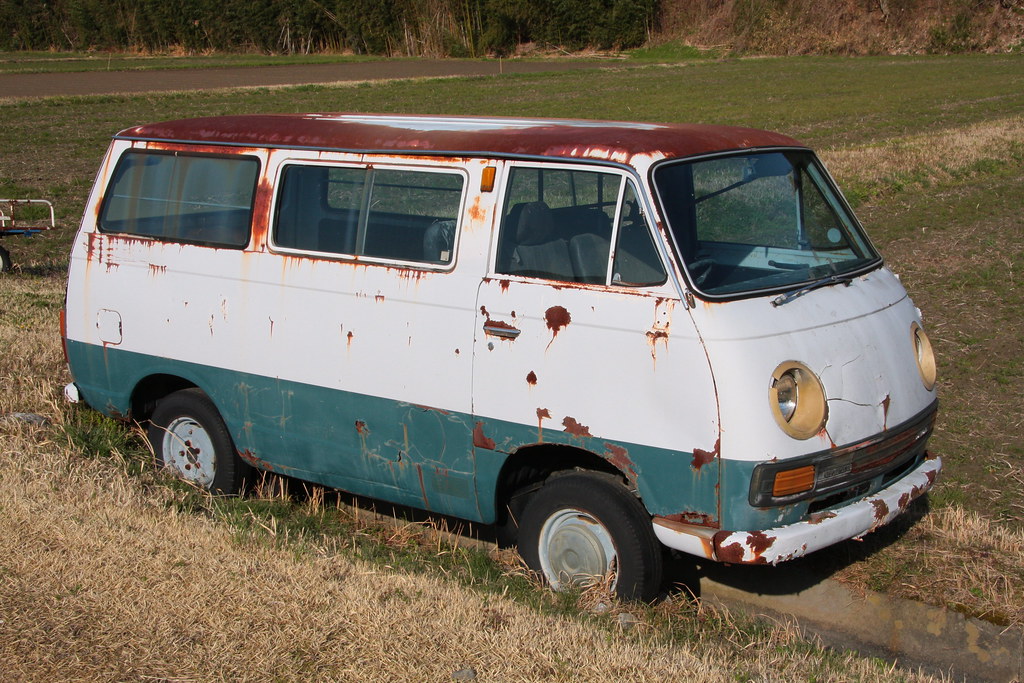
Who Buys Junk Campers Near Me?
If you are searching for someone who buys junk campers near you, start by checking licensed auto recyclers and scrap yards in British Columbia. These businesses purchase vehicles based on metal weight and reusable components. Junk campers and older trailers may have value if:
- The frame is intact
- Axles and wheels are reusable
- Appliances can be salvaged
- Metal siding is in good condition
If the camper is heavily damaged, the value may be based on scrap metal weight only.
British Columbia has regulated recycling programs to ensure vehicles are dismantled responsibly. Auto recyclers must follow environmental standards for fluid removal and material sorting.
Selling to a licensed buyer ensures:
Compliance with provincial regulations
Legal ownership transfer
Proper disposal of hazardous fluids
What Is The Scrap Value Of An Old Boat?
Scrap boat value depends on the material, size, and condition. Aluminum boats often have higher scrap value than fiberglass boats because metal can be recycled more easily.
Factors that affect scrap boat value include:
- Hull material
- Engine condition
- Trailer inclusion
- Current scrap metal market prices
Metal recycling plays a key role in waste reduction across the country. Scrap metal prices fluctuate based on supply and demand in global markets. Fiberglass boats are more difficult to recycle. Many disposal facilities charge fees for non-metal vessels because the material is harder to process.
Before arranging motorhome disposal or boat disposal, confirm whether the facility accepts the specific material type.
Environmental Rules For Vehicle Disposal In British Columbia
Vehicle disposal is regulated to protect soil and water. Used oil, antifreeze, and refrigerants can cause contamination if not handled correctly. The Government of British Columbia provides guidelines for hazardous waste disposal. Licensed recyclers must remove fluids and batteries before crushing or dismantling vehicles.
Following proper disposal steps helps:
- Prevent soil contamination
- Reduce landfill waste
- Recover reusable metals
- Comply with provincial environmental laws
Improper disposal can result in penalties or cleanup costs.
How Long Can You Leave A Non-Running Car On Your Property?
Municipal bylaws vary. In many communities, inoperable vehicles must be stored properly and not create safety or environmental hazards. Common rules include:
It may need to be stored behind fencing or screening
The vehicle must not leak fluids
It must not block sidewalks or roadways
Why Letting an Old Vehicle Sit Can Cost You
It is easy to ignore a non-running car, RV, or trailer when it is parked on your own property. Over time, though, unused vehicles can create problems. Tires deflate, fluids may leak, and parts begin to break down faster when exposed to weather.
Beyond the physical wear, an unused vehicle takes up valuable space. That space could be used for parking, storage, landscaping, or even a new project. The longer it sits, the less value it may hold, especially if parts rust or interior damage worsens.
Clearing out an old vehicle is not just about removal. It is about making room, reducing risk, and simplifying your property. Taking action sooner often makes the process easier and more manageable.
Steps to Take Before Removing a Non-Running Vehicle
Before arranging removal, take these steps:
- Remove license plates
- Cancel insurance through ICBC
- Gather registration documents
- Remove personal items
- Confirm buyer or recycler licensing
Keeping documentation organized ensures a smooth transfer and protects you legally.
Get Rid of Non-Running Car BC in Maple Ridge, BC
Getting rid of a non-running car involves more than calling a tow truck. From proper ownership transfer to responsible recycling, each step protects you and the environment.
Big Phil’s Rubbish Removal assists homeowners with the removal and hauling of unwanted vehicles and large items in Maple Ridge, BC. With a focus on local expertise, fair pricing, eco-friendly practices, and customer-centric services, we help coordinate responsible removal while keeping the process simple.
If you need to get rid of a non-running car in Maple Ridge, BC, reach out to discuss your options and next steps.
Frequently Asked Questions
1. Can you remove a non-running car from my property in Maple Ridge, BC?
Yes. As long as there is safe access and you can show proof of ownership, a non-running car can usually be removed from a driveway, yard, or parking area. Sharing a few details about the vehicle’s condition helps plan the pickup properly.
2. What do I need before scheduling a non-running car removal?
To keep the process simple, have the following ready:
- Proof of ownership or registration
- Clear access to the vehicle
- Personal items removed from inside
- Basic details about the condition
Having this ready helps avoid delays and keeps the removal straightforward.
3. Do you handle RV disposal and junk campers?
Yes. RVs, motorhomes, and junk campers can be removed as long as access and ownership are clear. Larger units may require extra planning depending on size and condition.
4. How do you dispose of an old boat in Maple Ridge, BC?
Boat disposal depends on the material and condition of the vessel. Metal boats may be recyclable, while fiberglass boats often require transport to approved facilities. Engines, fuel, and batteries must be handled properly before removal.
5. Can you remove vehicles that do not roll?
In many cases, yes. Vehicles with flat tires, missing batteries, or engine failure can still be removed if equipment can safely access the area.
6. What happens after my vehicle is removed?
Vehicles are transferred properly and taken to licensed facilities for recycling or dismantling. Fluids and materials are handled according to provincial regulations to reduce environmental impact.